Environmental Initiatives

Participate in an Earth Day Litter Clean Up!

Earth Day is celebrated each year on April 22 and is a global event dedicated to raising awareness about environmental issues and inspiring action to protect our planet. Since it began in 1970, Earth Day has grown into a worldwide movement that encourages everyone to take meaningful steps toward a cleaner, healthier environment.

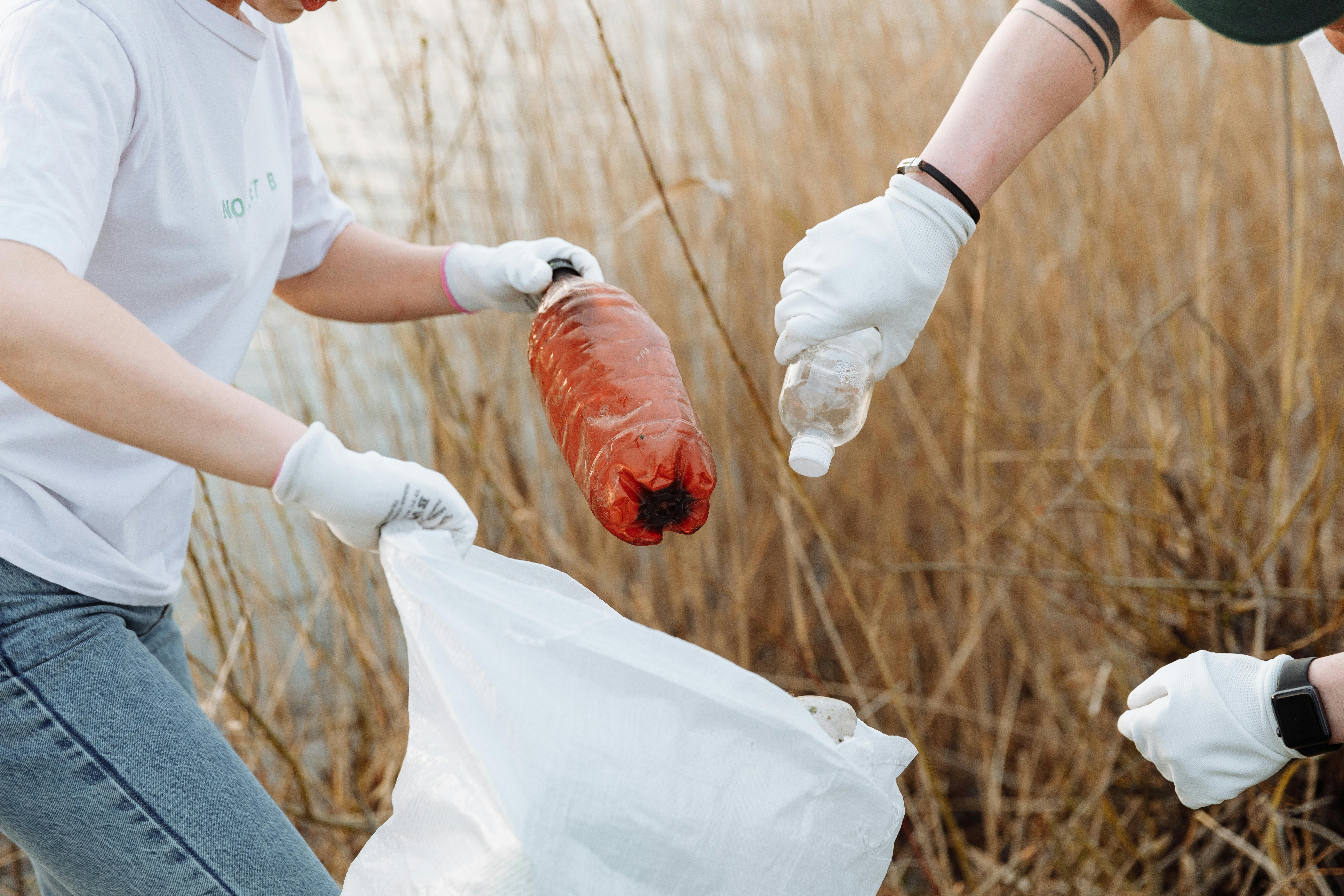
Throughout the month of April, individuals, families, community groups, and organizations are invited to take part in an Earth Day Litter Clean Up in Selwyn Township. Participants are encouraged to help remove litter from roadsides, parks, and other public spaces.

By joining an Earth Day Litter Clean Up, you can make a positive impact close to home while supporting global efforts to care for our Earth.

  • Register your clean‑up: Individuals, families, community groups, and organizations are encouraged to register their Litter Clean Up Day with Selwyn Township by completing the Registration Form. When registering, please indicate the number of clear bags and pairs of gloves needed for you and/or your group.
  • Pick up your supplies: Registered participants will receive clear bags for garbage and recycling, nitrile gloves, and a landfill pass to dispose of collected litter. Supplies are available for pick‑up at the Township Office (1310 Centre Line).

The Township extends its sincere thanks to Swish Maintenance for their generous donation of garbage bags and gloves last year, which helped support and strengthen this community initiative.

Participants can bring garbage and recycling to the Smith Landfill (1480 County Road 18) for disposal on Saturday, April 25, and Tuesday, April 28.

Garbage and recycling must be separated before bringing materials to the landfill. Proper separation ensures recyclable materials can be processed correctly, reduces waste sent to landfill, where they would otherwise take up valuable space. And supports safe and efficient landfill operations.

To learn what can and cannot be recycled, check out the Township's Sorting Guide or visit the Garbage and Recycling page.

Thank you for helping the Township protect the environment.

Your safety is important! Please review the following tips and take appropriate precautions before starting your litter clean up:

  • Use personal protective equipment, including gloves or a litter grabber.
  • Wear a safety vest or bright clothing if collecting litter along a roadway.
  • Conduct clean‑up activities during daylight hours.
  • Do not pick up dangerous materials such as glass, syringes/needles, chemicals, or medical waste.

We’d love to highlight the great work you’re doing to help keep Selwyn Township litterfree. If you take photos during your litter clean up, please share them with us on social media by tagging @SelwynTownship, or submit them by email to sustainable@selwyntownship.ca.

Thank you for helping us celebrate community action and environmental stewardship!

If you have any questions, please contact the Sustainability Coordinator at 705-292-9507 or by email at sustainable@selwyntownship.ca.

ReLeaf Program

1,125 trees provided to property owners!

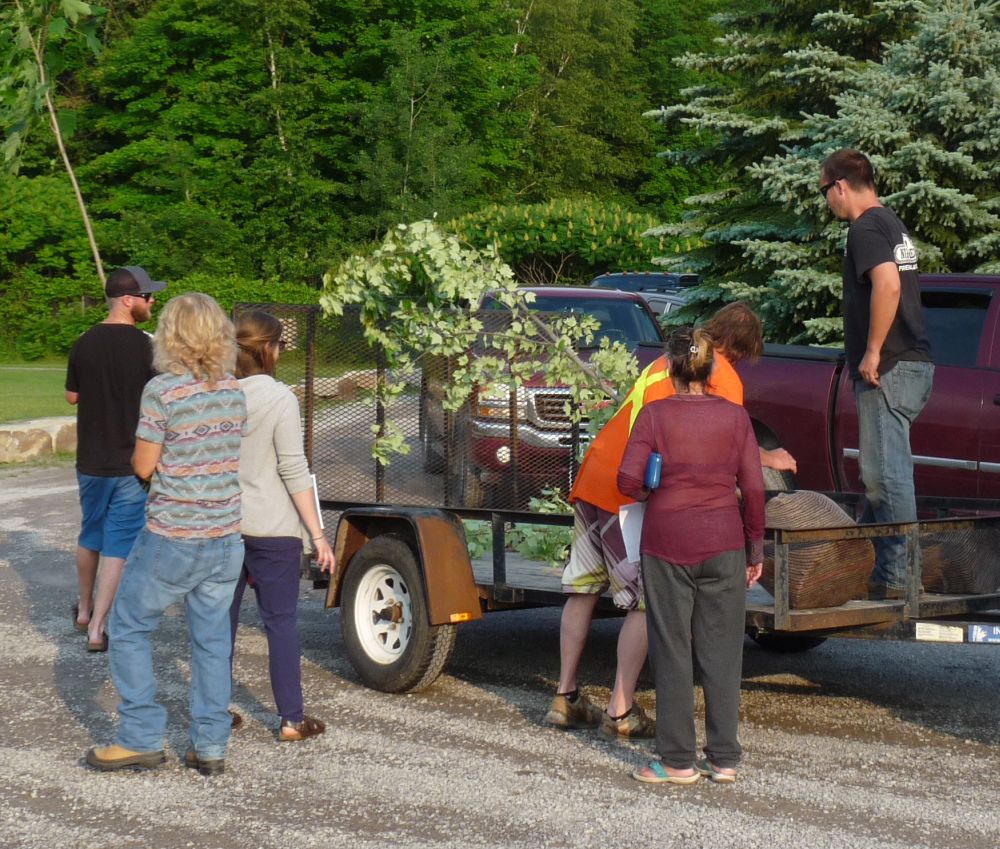
Selwyn Township’s ReLeaf Programs have supported a healthier, greener community by providing residents with opportunities to plant trees on their properties. Through the program, trees were offered to residents at a reduced or at no cost, helping increase the local tree canopy, enhance neighbourhoods, and contribute to long-term environmental sustainability while promoting the benefits of tree planting such as improved air quality, shade, and wildlife habitat.

The program was first introduced in 2017 through the ReLeaf Selwyn 150 Program, which provided 150 maple trees to residents to commemorate the 150th anniversary of Canada. It returned in 2023, when 375 cedar and maple trees were distributed to support tree canopy restoration following the May 2022 derecho storm. In 2025, the Township expanded the initiative further, providing 600 maple and oak trees to residents to assist with recovery efforts after the March 2025 ice storm. Through these initiatives, Selwyn Township encouraged community participation in climate action while helping restore the local tree canopy following significant weather events.

Selwyn Township continues to seek grant funding and partnership opportunities to support future ReLeaf programs and expand access to tree planting initiatives for residents. To stay informed about upcoming programs and other Township news, residents are encouraged to sign up for the Township eNewsletter to be among the first to hear about future ReLeaf opportunities.

FoodCycler Program

Congratulations on Completing 2 Years of the FoodCycler™ Pilot Program!

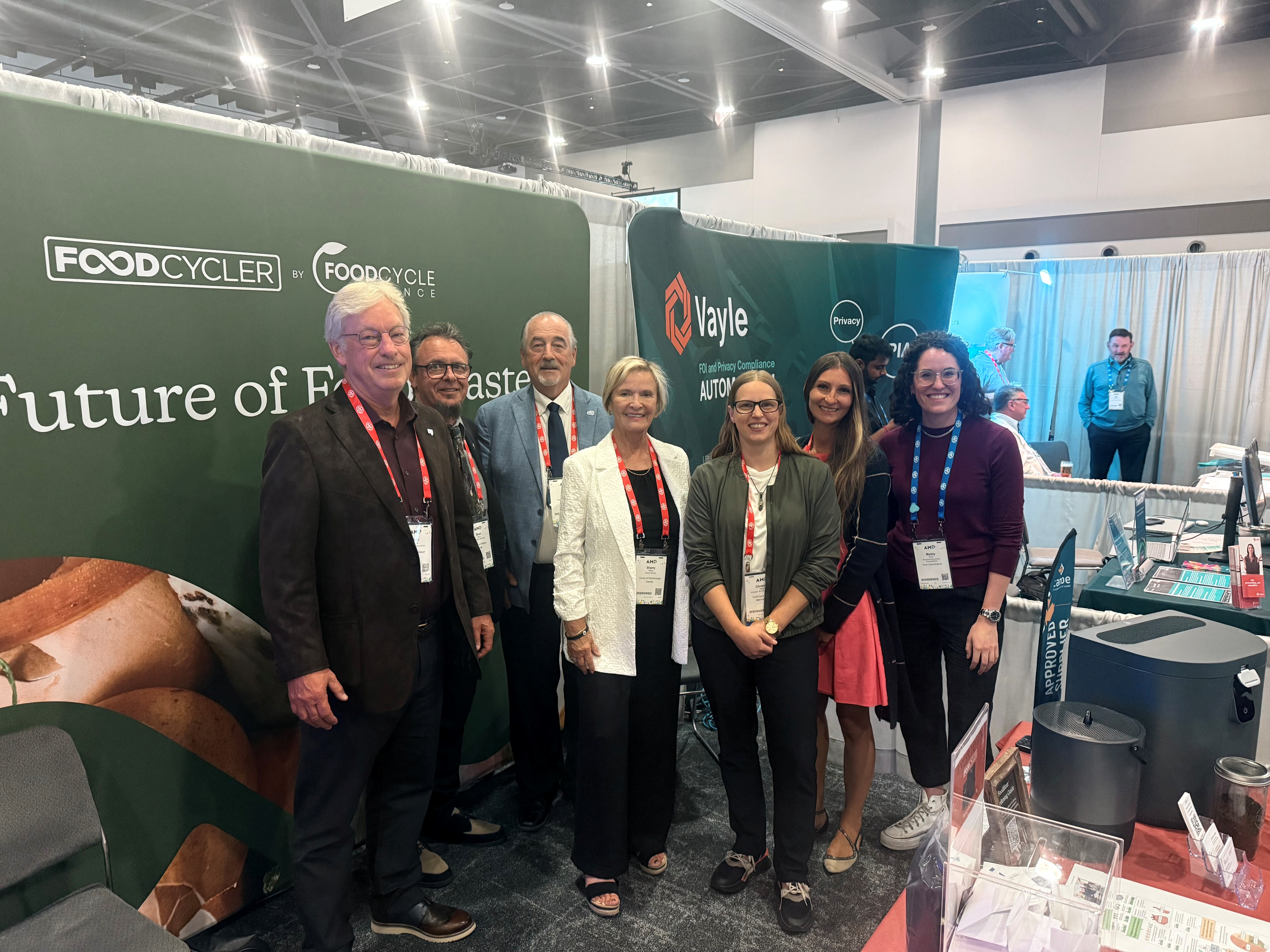
In 2025, Selwyn Township ran its second year of the FoodCycler™ Pilot Program. Subsidies were offered to residents in partnership with FoodCycle Science to offset the cost of a kitchen composter. This program supplements waste diversion efforts in the Township and reduces the amount of organic waste going to landfill. Each FoodCycler™ has the potential to divert 2 tonnes of food waste over its lifetime.

Each year, 250 households participated, totaling 500 homes in Selwyn. Check out the Report Card for details on how the Pilot Program went.

Thank you again for participating in the Township's program and reducing organic waste in your community!

What is a FoodCycler?

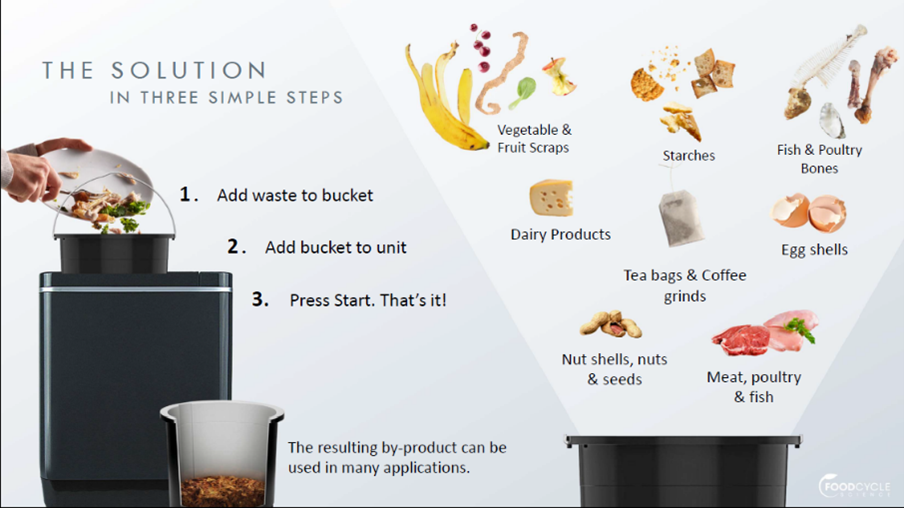
The FoodCycler™ is a closed-loop, indoor compost alternative, which speeds up the natural decomposition process of food waste. The unit dries and grinds food waste into a dry, odourless, and nutrient dense by-product. The by-product can be used in many applications, such as fertilizer in a garden or added to a backyard composter to speed up decomposition.

The FoodCycler™ takes up approximately one (1) cubic foot of space and requires a power outlet. Once set up, you toss your food scraps into the bucket and press the button. The FoodCycler™ reduces the volume of food waste by 90% in 4-8 hours. Each cycle uses about 0.8 kWh of electricity, which costs approximately 10 cents. The carbon filtration system eliminates odours, making it perfect for indoor use.

This program supplements waste diversion efforts in the Township and reduces the amount of organic waste going to landfill. Each FoodCycler™ has the potential to divert 2 tonnes of food waste over its lifetime. A FoodCycler™ can be used in combination with a backyard composter or digester to maximize organic waste diversion for your household. The FoodCycler™ is meant to supplement, not replace, backyard composting.

Backyard composting is important to organic waste diversion and provides a solution to divert materials that cannot be processed in a FoodCycler™. See the Resident Guide for a list of items that can and cannot be processed in a FoodCycler™.


Foodilizer is a nutrient-rich soil amendment produced by the FoodCycler™. If you have purchased a FoodCycler™ through the Selwyn Township Pilot Program, check out the Foodilizer Gardening Guide which provides detailed tips and instructions on how to use your FoodCycler™ end-product.


You can replace your carbon filters, or purchase other accessories, on FoodCycler™ Website.


For a helpful one stop shop of how-to videos and frequently asked questions (FAQs), visit the FoodCycler™ website.

If you have questions about using your unit or encounter technical issues with your unit, please reach out to our customer support team at support@foodcycler.com.

Pollinator Paradise

Help make Selwyn Township a Pollinator Paradise!

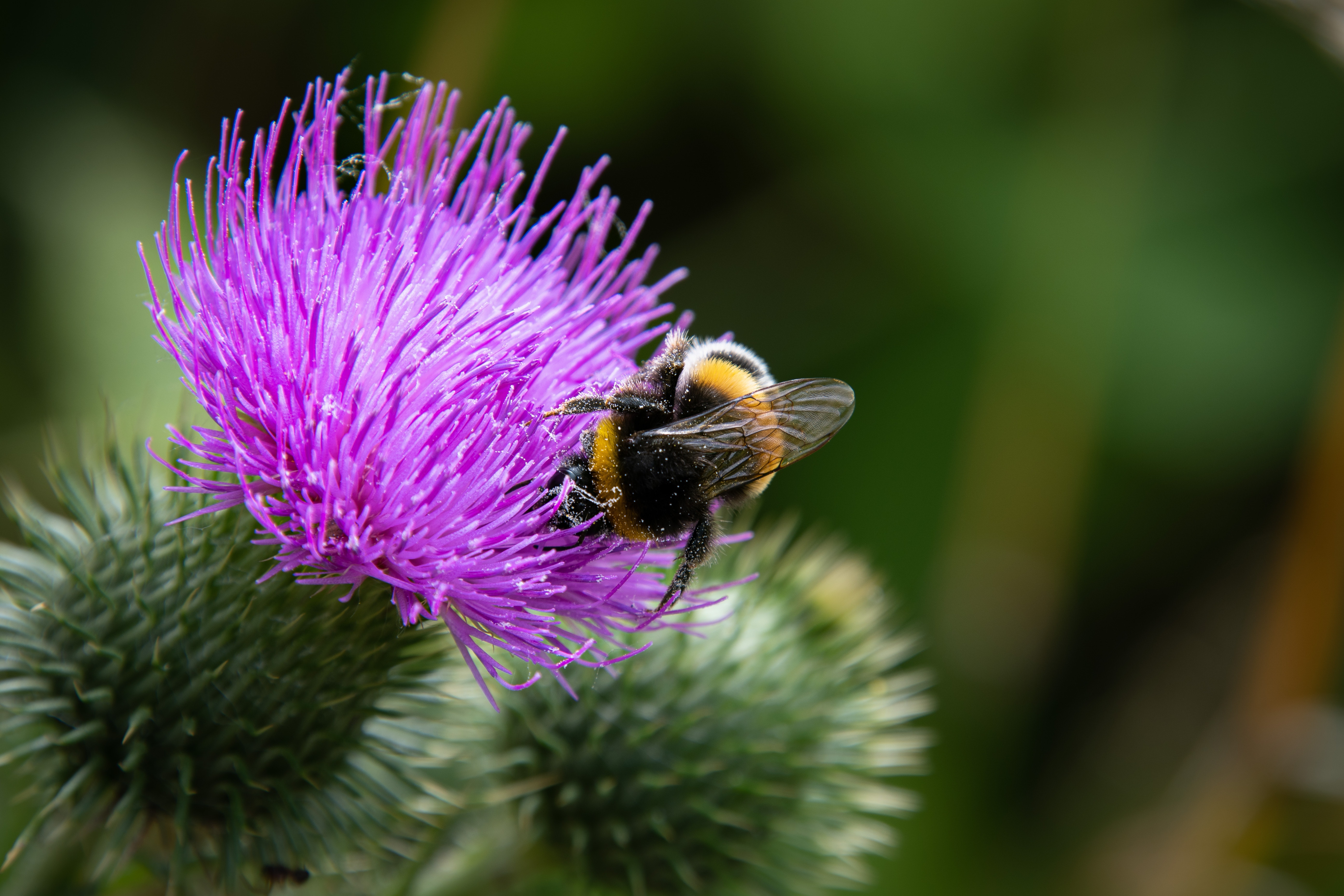
In 2018, the Township became the 18th community in Canada to be designated as a Bee City. Becoming a Bee City means that the Township is part of a North American movement to support pollinators through habitat creation, protection, and public education.

Pollinators are important to our local ecosystems and communities. Pollinators include a diverse group of insects and animals, including bees, birds, and butterflies, that carry pollen from one plant to another. Over 75% of flowering plants require pollination, including many of the crops we depend on for food.

Taking action to protect pollinators and their habitats helps support local food production, maintain a healthy environment for wildlife and the community, and also supports climate change action. Warming temperatures and changing weather patterns have a negative impact on pollinators. Creating and protecting pollinator habitat helps prevent biodiversity loss and supports climate change mitigation by maintaining or planting vegetation that sequesters carbon dioxide.

Our Pollinator Paradise Map shows pollinator gardens and naturalization projects in Selwyn Township. Scroll through the map to learn about existing and planned projects.

Shoreline Naturalization

The Township of Selwyn has been actively working to support pollinators in the local area. Through partnerships with the Otonabee Region Conservation Authority (ORCA) and Lakefield College School, the Township has naturalized parts of the Otonabee River shoreline by planting native shrubs and vegetation, including winterberry, fragrant sumac, flowering raspberry, and white yarrow.

Depave Paradise

In 2021, the Township partnered with GreenUP, Green Communities Canada, and Winfield Shores on a Depave Paradise project, where a 100m2 area was depaved and planted with native trees, shrubs, and wildflowers. This project provided community greenspace, a pollinator-friendly garden, and is helping divert 75,000 litres of rainwater from the stormwater system each year.

Pollinator Gardens

There are also several pollinator gardens in Selwyn Township. The Lakefield District Horticultural Society created a pollinator garden at Isabel Morris Park in Lakefield, and another pollinator garden was created at the Lakefield Library. The Ennismore Library also received a grant through Canadian Heritage to plant a pollinator garden that supports local biodiversity, while also being a monument to Indigenous people impacted by the Canadian residential school system.

Naturalizing Township Property

In 2020 a Service Delivery Review of the Parks and Recreation Department was completed and it was recommended that the Township pilot a naturalization program at Township recreation facilities, including Douglas Sports Park, Chemong Park and the Robert E. Young Sports Complex. Allowing select areas of Township-owned property to naturalize supports pollinators and the environment, enhances greenspace for the community, and reduces maintenance requirements, including watering and lawn cutting, which saves time and staff resources.

To date, areas at Douglas Sports Park and the Robert E. Young Sports Complex have been naturalized, with the hopes of expanding this program to other municipal parks and spaces.

Supporting pollinators in the Township is a community effort. There are many ways you can take action at home and in the community to support pollinators and the environment.

Plant a Pollinator Garden

A pollinator garden protects and supports pollinators by creating food and shelter. Pollinator gardens are also beneficial to the environment, as they often incorporate native plants which require less watering and maintenance.

Here are some tips on creating a pollinator garden at home:

  • Plant a diversity of plants to support a variety of pollinators
  • Plant flowers that bloom at different times to ensure a consistent source of food
  • Incorporate native species that are adapted to our region
  • Consider adding a water source, such as a bee bath
  • Create habitat by adding bee houses or leaving leaf litter in the garden
  • Purchase seeds or plants from local nurseries or through GreenUP. GreenUP offers Pollinator Garden Kits and Water Wise Garden Kits through the Ecology Park Nursery. The Ennismore Library also has a “Take a Seed, Leave a Seed” program where you can take seeds to plant at home or donate extra seeds for others to use. 

Resources

Reduce the Use of Pesticides

Pesticides are harmful to pollinators. A pesticide is a substance used to control unwanted plants, insects, and pests. Pesticides can impact pollinator health and even lead to death.

If possible, avoid using pesticides in your garden. This is better for pollinators, the environment, and your health. One way to avoid the need for pesticides is to plant native species that are adapted to the local environment and less likely to attract pests.

If you have a pest problem, you can minimize harm to pollinators by:

  • Accurately diagnosing the pest problem to ensure you’ve selected the right solution
  • Consider manual removal of pests through traps if possible, before using a pesticide
  • If you choose to use a pesticide, follow the application instructions and only apply it where needed

Visit the Pollinator Partnership website for more information.

Delay Garden Clean Ups

One way to support pollinators is to delay garden clean ups until the spring. Many pollinators overwinter in gardens, using plants and debris as shelter. Leaving leaves and dead plants in our gardens in the fall provides pollinators with the habitat they need to survive the winter.

To minimize disturbance to overwintering insects and pollinators, you should wait until April, or until temperatures are consistently above 10 degrees, to clean up your garden.

Fall garden tips:

  • Leave the leaves where they are. Leaf litter provides habitat for pollinators and insects, acts as a fertilizer for lawns as it breaks down, and can be used as mulch for your garden.
  • If raking the leaves, make sure to rake lightly and not disturb the soil underneath. This will help ensure that the insects stay protected.
  • Pile leaves around garden beds or in corners of your yard to ensure pollinators have shelter through the winter.

Visit the Bee City Canada website for more information.

Take the Bee City Pollinator Pledge

Take the pollinator pledge and join others across Canada working to protect pollinators. Pollinators live in our backyards and we can help by pledging to protect their habitats.

The pledge involves:

  • Choosing to create pollinator habitats by adding native plants to the garden
  • Choosing to put in at least 3 flowering plants to bloom in each season
  • Choosing to reduce carbon output where possible
  • Choosing to “leave the leaves” in the garden over the winter
  • Choosing to actively promote protection for pollinators and their habitats

Take the pledge on the Bee City Canada website.

Get Involved in the Community

There are many groups in Selwyn Township, including service clubs and horticultural societies, that support planting projects, including pollinator gardens and land naturalization. To learn about upcoming events that you could participate in, visit the Township’s Event Calendar, or contact these organizations directly.

Do you want to showcase your garden as part of the Pollinator Paradise project? Promote your efforts to support pollinators in Selwyn Township by registering your garden using the form below. Once your information has been verified, your garden will be showcased on the Pollinator Paradise Map.

Register your Pollinator Garden

Other Township Successes